Brick Paver Installation in Tampa Bay
Nothing says "established Tampa home" like a brick paver driveway. From the historic brick streets of Hyde Park to the new subdivisions of Wesley Chapel and FishHawk Ranch, brick pavers are the classic choice for driveways, walkways, and patios — and in Florida's heat, rain, and shifting sandy soil, they outperform poured concrete on durability, drainage, and repairability. Here's what brick paver installation really involves — and costs — in Tampa Bay.
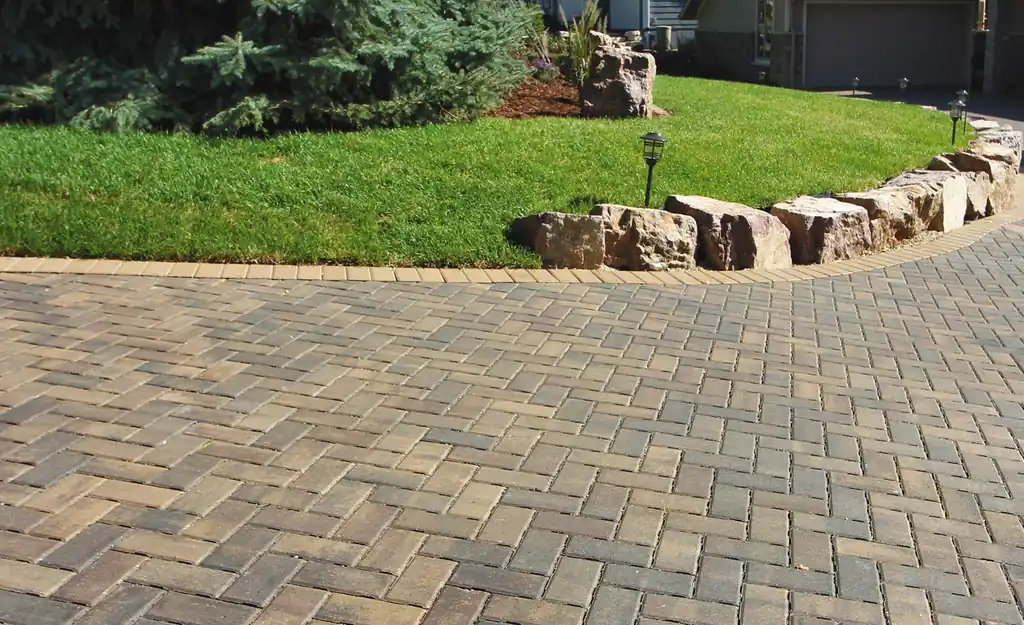
Why Brick Pavers Are Tampa Bay's Classic Driveway Choice
Brick has been paving Tampa streets and driveways for over a century, and it is still here for good reasons. A brick paver surface is made of individual units laid on a compacted base with sand joints, so it flexes with the ground instead of cracking across it. That matters enormously in Tampa Bay, where fine sandy soil shifts with every wet season, tree roots push upward, and a summer afternoon can drop two inches of rain on a driveway in an hour. A poured concrete slab cracks under those conditions and stays cracked; a brick paver surface can be lifted, re-leveled, and put back — often in a single visit.
A look that fits old Tampa and new suburbs alike
Brick pavers suit the full range of Tampa Bay architecture: the Craftsman bungalows of Seminole Heights, the Mediterranean revivals of South Tampa and Davis Islands, the brick-fronted new builds in Riverview and Lithia, and the traditional subdivisions of Carrollwood and Westchase. Running bond, herringbone, and basketweave patterns each give a different feel — herringbone is the strongest interlocking pattern and the standard recommendation for driveways, while basketweave and running bond suit patios and walkways. Color options run from classic red clay through tans, browns, and gray blends that complement stucco, siding, and stone alike.
Built for vehicle loads and Florida weather
Driveway brick pavers are typically 2-3/8 inches thick (or thicker for clay pavers rated for vehicular traffic) and go down on a 6–8 inch compacted base with a poured concrete edge restraint. That structure spreads the weight of cars, SUVs, and work trucks without rutting, and the sand joints let rainwater drain through rather than pooling on the surface or undermining the edges. In a region where standing water breeds mosquitoes and stains everything it touches, that drainage is a practical benefit, not just a technical one.
Color that lasts — especially clay brick
Clay brick pavers are fired at high temperatures, and their color runs all the way through the brick. That means the color cannot fade, chip, or wear off — a clay brick driveway looks essentially the same at year thirty as it did at year one, apart from normal weathering. Concrete brick pavers cost less and offer more shapes and blended colors, but their color layer sits near the surface and can lighten slowly under years of intense Florida UV. Sealing every 2–3 years protects concrete pavers against that fading and against stains from oil, fertilizer rust, and live oak tannin. Learn more on our paver sealing page.
Clay Brick vs Concrete Brick Pavers in Tampa Bay
The two types of "brick pavers" are often confused, and the difference matters for price and longevity:
| Feature | Clay brick pavers | Concrete brick pavers |
|---|---|---|
| Installed cost | $16–$22 per sq ft | $12–$20 per sq ft |
| Color durability | Permanent — color through the brick | Good, but can lighten under UV over time |
| Strength | Very high compressive strength | High; rated for driveways when thick enough |
| Shapes & colors | Classic sizes, traditional palette | Widest range of shapes, sizes, blends |
| Stain resistance | Excellent — resists salt & chemicals | Good with sealer; needs resealing |
| Expected lifespan | 50–100 years | 25–30+ years |
The honest version: clay brick is the buy-it-once choice and the right call for historic homes and homeowners who plan to stay put. Concrete brick pavers are the best value for most Tampa Bay driveways and patios — strong, attractive, and far cheaper than a full clay installation. Many projects mix the two, using clay as a border or accent band around a concrete brick field, which delivers the classic look at a moderate price. Compare with driveway pavers generally, or read what paver installation costs in Tampa for the full market breakdown.
Our Brick Paver Installation Process
Brick installation is straightforward in principle and unforgiving in practice — the base and edge restraint decide whether the surface stays flat for decades or waves within two wet seasons. We build every brick project the same way:
1. Excavation and Florida-specific base prep
Tampa's fine sandy soil doesn't hold a shape — it shifts, washes, and settles. We excavate 7–9 inches for driveways (slightly less for patios and walkways), install woven geotextile fabric to keep soil from migrating into the base, then compact crushed concrete or limestone base in lifts. Grades are set so water sheets away from the house, garage, and pool, never toward them — critical on flat Tampa lots where a quarter-inch of wrong pitch means a puddle that never dries.
2. Setting bed and pattern layout
Brick pavers go down on a screeded bedding layer, laid in the chosen pattern with consistent joint spacing. Herringbone is the default for driveways because its interlock resists the turning and braking forces of tires; running bond and basketweave suit patios and walkways. Borders and soldier courses (bricks laid perpendicular to the field) frame the area and lock the pattern visually — and structurally, since they tie into the edge restraint.
3. Concrete edge restraint and polymeric joints
Every brick installation gets a poured concrete edge to lock the field in place. Without real edge restraint, brick creeps under thermal movement and tire loads, and gaps open at the perimeter. Joints are filled with polymeric sand and activated, which hardens against Tampa's washout rains, blocks weed roots, and keeps fire ants from tunneling up through the gaps.
4. Compaction and sealer (strongly recommended)
The finished surface is compacted twice — once before sanding, once after — to seat every brick evenly. We then recommend a penetrating or film-forming sealer depending on the look you want: penetrating sealer protects without changing appearance, while a wet-look sealer deepens brick color and adds stain resistance. Either way, reseal every 2–3 years in Florida's UV and rain. See our paver sealing page for details.
What Brick Paver Installation Costs in Tampa Bay
Pricing is driven by square footage, brick type, pattern complexity, and access — backyard patios that need material hauled by hand cost more per foot than front driveways a forklift can reach. These are 2026 Tampa Bay ranges for professional brick work:
| Project | Typical range |
|---|---|
| Concrete brick pavers, installed | $12–$20 per sq ft |
| Clay brick pavers, installed | $16–$22 per sq ft |
| Typical two-car driveway (400–600 sq ft) | $5,000–$12,000 |
| Walkway (100–200 sq ft) | $1,500–$4,000 |
| Patio (300–500 sq ft) | $4,000–$10,000 |
| Herringbone pattern upgrade (vs running bond) | ~$1–$2 per sq ft extra |
| Initial sealer application | $0.75–$1.50 per sq ft |
Most brick driveways land between $6,000 and $10,000 all-in, and the most common add-ons are a clay border band, a widened apron at the street, and a walkway extension to the front door so the whole entry reads as one designed surface. Compare with standard paver installation options if you're weighing materials.
Caring for Brick Pavers in Florida's Climate
Brick is low-maintenance, not no-maintenance. Two Florida realities need managing: efflorescence and organic staining. Efflorescence — the white mineral haze that wicks up from the base — shows on brick more than on stone because of the contrast with darker colors; it usually cleans off with an efflorescence treatment and is reduced long-term by good base drainage and sealing. Organic stains come from live oak tannin (the brown ring every Carrollwood patio knows), fertilizer rust near lawn edges, and mildew in shaded, damp corners — all things a sealer largely prevents and a periodic pressure wash handles. The routine is simple: rinse regularly, reseal every 2–3 years, pull weeds from joints early, and address stains before they set. Follow that and a brick surface looks better at year twenty than most poured surfaces look at year five.
Frequently Asked Questions
How much does brick paver installation cost in Tampa Bay?
Professionally installed brick pavers in Tampa Bay typically run $12–$22 per square foot: concrete brick pavers $12–$20, clay brick pavers $16–$22. A standard two-car driveway (400–600 sq ft) usually lands between $5,000 and $12,000. Every project starts with a free on-site measurement and a fixed written quote.
Are clay brick pavers or concrete brick pavers better in Florida?
Both work well on a proper base. Clay brick holds its color permanently and resists salt and chemical staining, and lasts 50–100 years. Concrete brick costs less and comes in more shapes and color blends, lasting 25–30+ years. Clay is the premium, buy-it-once choice; concrete brick is the best value for most driveways and patios.
Do brick pavers get hot in Tampa summer sun?
Brick absorbs more heat than light-colored travertine, especially in darker red and brown tones. Lighter clay tones, tans, and gray blends stay noticeably cooler. Brick shines on driveways, walkways, and patios where shoes are the norm; for barefoot pool decks, we usually recommend travertine pavers instead.
Will brick pavers fade or turn white in Florida?
Clay brick does not fade — its color is fired through the whole brick. Concrete brick can lighten slowly under Florida UV, which is why sealing matters. White haze is usually efflorescence, mineral salts from the base; it cleans off with an efflorescence treatment and is reduced long-term by proper drainage and sealing every 2–3 years.
Can brick pavers handle heavy vehicles and Florida rain?
Yes, when the base is built right: 6–8 inches of compacted base with concrete edge restraint spreads vehicle loads without rutting, and sand joints let rainwater drain through instead of pooling or cracking the surface the way a concrete slab does in Tampa's downpours and shifting sandy soil.
How long do brick pavers last in Tampa Bay?
Clay brick pavers routinely last 50–100 years — brick streets in older Tampa neighborhoods have outlived every other surface around them. Concrete brick pavers last 25–30+ years. Individual pavers can be lifted and replaced if one ever cracks or settles, which a poured slab cannot match.
Brick Paver Installation Across Tampa Bay
We install brick pavers for driveways, patios, walkways, and pool decks in Tampa, Clearwater, St. Petersburg, Brandon, and Riverview. Related services: driveway pavers, paver sealing, and paver installation — or see what paver installation costs in Tampa.
Get the Classic Brick Driveway Tampa Homes Are Known For
Free on-site measurement: we'll walk the area, show you brick colors and patterns, and quote a fixed price.
Call (813) 435-6556 Get a Free Quote